
The Bracero Program: A Complex Legacy in Mexican-American History

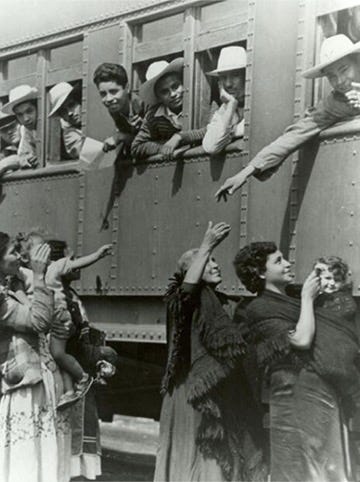
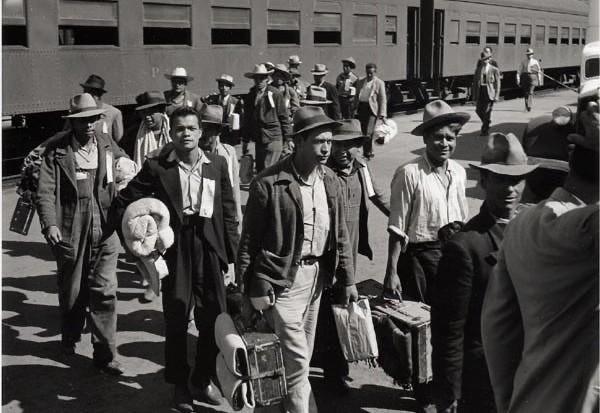
The Bracero Program, initiated in 1942, was a bilateral agreement between the U.S. and Mexico designed to address labor shortages during World War II. Over the next two decades, it brought more than 4.5 million Mexican laborers to the United States to work primarily in agriculture and railroads. While it provided much-needed labor and economic opportunities for some, the program left a complicated and often troubling legacy, particularly for Mexican workers and the Chicano community.
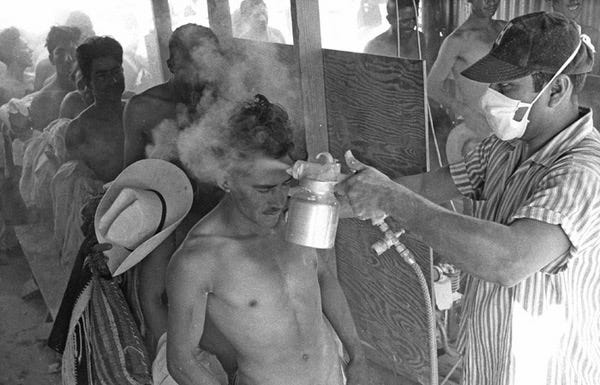
Promises vs. Reality: Exploitation and Racism
At its inception, the Bracero Program promised fair wages, decent working conditions, and protections for the laborers. In reality, many workers experienced quite the opposite. Mexican laborers were often subjected to brutal working conditions, inadequate housing, and exploitative wages.
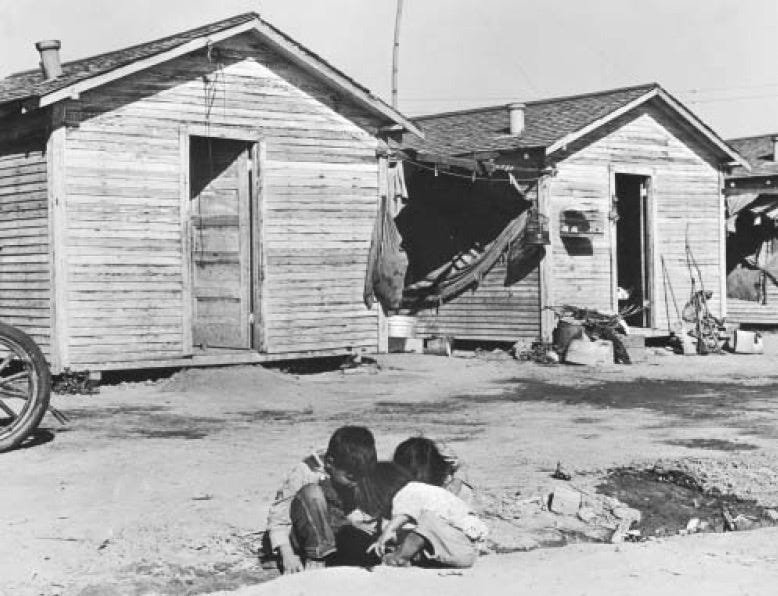
They faced long hours in grueling environments, and the promised protections were frequently ignored. Employers would exploit these workers’ vulnerable legal status, paying them less than U.S. workers and offering few to no labor rights.
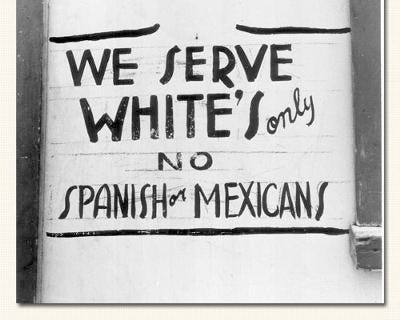
Racism was another pervasive issue, with Mexican workers often viewed as inferior and disposable. In many regions, they were isolated from the local population, living in segregated camps with substandard conditions. The stereotype of Mexican workers as cheap labor laid the groundwork for future anti-immigrant sentiments and policies. These attitudes not only dehumanized the braceros but also contributed to the broader systemic racism experienced by Mexicans and Mexican-Americans in the U.S.
Lasting Impacts on Mexican and Chicano Identity
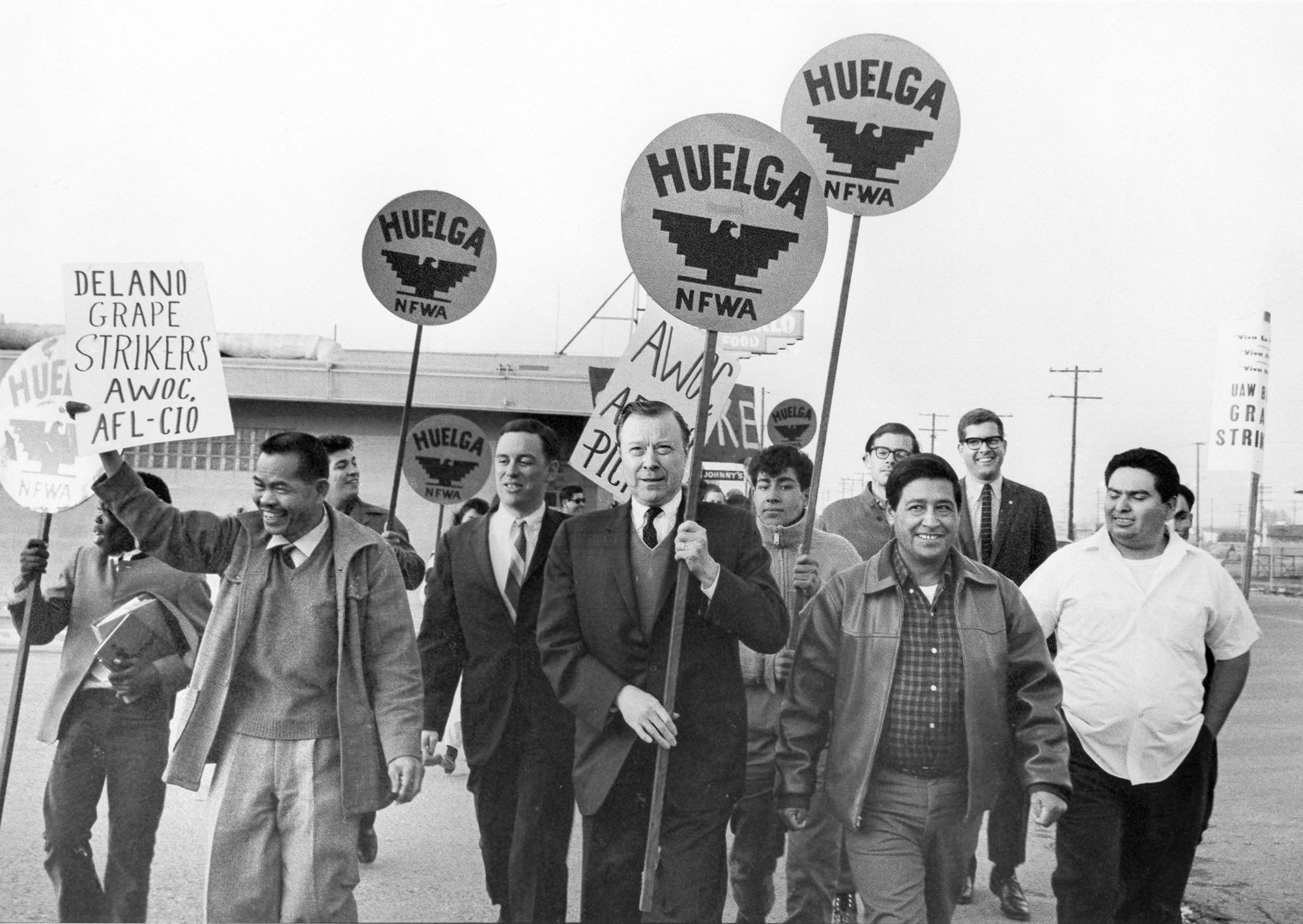
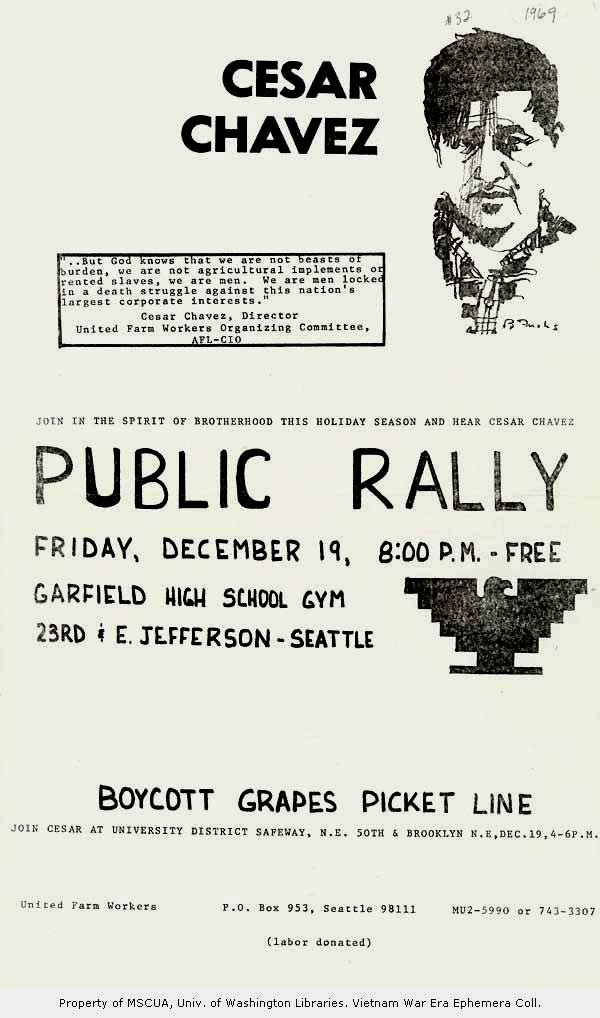
Despite the program’s harsh realities, the Bracero Program played a significant role in shaping the Mexican-American and Chicano identity. Mexican workers began establishing communities, many of which remain influential today. Their experiences and struggles for dignity and fair treatment became central to the later labor rights movements in the U.S., inspiring figures like César Chávez and Dolores Huerta.
However, the program also perpetuated challenges that the Mexican-American community continues to face. The exploitation of Mexican labor through the Bracero Program contributed to long-standing economic inequalities. The legacy of the program can also be seen in immigration policy debates, where Mexican workers are often viewed through the same lens of expendable labor.
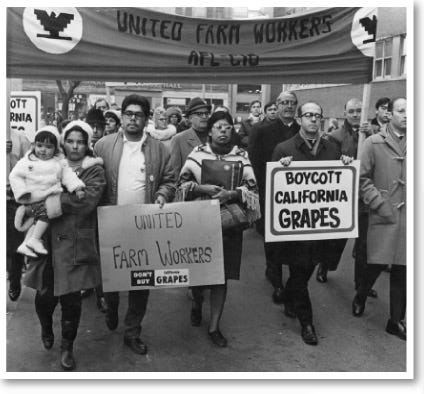
The Chicano movement of the 1960s and 1970s, which sought to reclaim Mexican identity and fight for civil rights, was shaped by the collective memory of these injustices. The struggle for labor rights and recognition of Mexican contributions to U.S. society became a rallying cry for many Chicanos, who sought to challenge both their second-class status and the racial stereotypes propagated by the Bracero Program era.
Conclusion: A Program of Mixed Legacies
The Bracero Program is a symbol of the complexities in U.S.-Mexico relations and the immigrant experience in America. While it created economic opportunities and laid the groundwork for the Mexican diaspora in the U.S., it also highlighted the dangers of treating immigrant workers as expendable. Its legacy is felt not only in the labor rights movement but in the ongoing conversations about immigration, identity, and race. For the Mexican-American and Chicano communities, the Bracero Program remains a stark reminder of both resilience and exploitation, shaping the fight for dignity and equality in the United States.